
-
(GMT+2)Invest in Angola
As the foremost annual meeting of the private sector on the continent, the Africa CEO Forum is the leading platform for public-private dialogue. ‘Invest In’ sessions allow CEOs and investors to meet with high-level African government officials to gain deeper insight into their countries’ economic development strategies. These sessions provide exposure to a variety of key sectors, business environments, and public and private investment opportunities.


-
(GMT+2)Conversation with
Holding the line: Nigeria’s reform bet in a fractured worldGlobal headwinds, including US tariffs, Chinese overcapacity, the Iran conflict and interest-rate volatility, are squeezing emerging economies. For African leaders pursuing ambitious reforms, the question is whether reform can survive in a world set against it. Nigeria offers a telling test. Since 2023, President Tinubu has pushed one of Africa’s boldest reform agendas: ending costly fuel subsidies, liberalising the currency, overhauling the banking sector and building larger domestic energy players. Early pain is giving way to results. In this conversation, President Tinubu reflects on sustaining reform under external pressure and on why building scale at home and across Africa may be the continent’s strongest line of defence.


-
(GMT+2)Panel
Think Bigger – Enter Africa’s new age of mega-projectsAfrica has undoubtedly entered a new cycle of transformative mega-projects, which will unlock growth across various value chains. Simandou is exporting ore through a rail corridor that opens up Guinea’s hinterland and will seed a $1bn wealth fund. The Zambia-Tanzania-Kenya Interconnector will create transmission links between East and Southern Africa, powering industry along the way. Morocco is advancing two new deep-water ports and LNG capacity, and the 2Africa subsea cable is rapidly expanding the continent’s digital backbone. McKinsey projects $5 trillion in infrastructure investment across Africa by 2040. Is now the time to relaunch Africa’s mythical mega-projects, from Inga to LAPPSETT?
Key points
- Is big beautiful?: What delivers more impact – jobs, power, opportunities – many small-scale players or an equivalent mega-project?
- Pitfalls of partnerships: What can Simandou, ZTK and other successful partnerships teach project promoters about coalition-building towards a mega-project?
- Who’s next – which mega-projects are expected to see the light in the coming 3 years? And why?
 Speaker
Sophie Xiaohui LV
Vice Chair / CEO, Winning International Group / Winning Consortium Holdings

-
(GMT+2)Strategic Roundtable
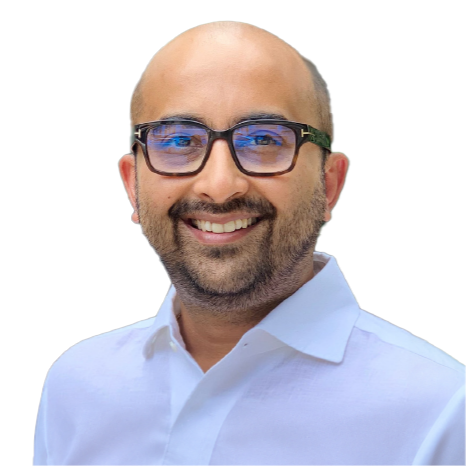
Disrupters' Club - The pioneer playbook: What Africa's first founders learned the hard wayAccess via sign-up on the event app or by invitation only.
The early hurdles are behind them. Africa’s inaugural-wave founders are now focused on scaling companies that can endure amid tighter capital, rising governance demands, and fast-evolving regulation. This roundtable cuts through theory. We bring together pioneers who have navigated these transitions to share their hard-won operational playbooks. The discussion centres on the critical choices in capital, governance, and market adaptation that separate companies that last from those that stall. Join a frank, peer-to-peer exchange on what it truly takes to turn promising ventures into African champions.
Key points
- When your sector shifted from unregulated to regulated, what were the key operational adjustments that allowed you to stay ahead?
- During your fastest-moving early years, what was the biggest threat to your business — and how did you neutralise it?
- What is the one lesson about investors, governance, or control you wish you had known at the start?




-
(GMT+2)Executive Dialogue
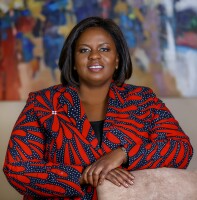
Is the new South–South capital wave Africa’s chance to reset how greenfield FDI works?Access via sign-up on the event app or by invitation only.
Gulf investors are leading the Global South’s recent charge into Africa, accounting for 22% of greenfield FDI. This presents an opportunity to optimise how and where this investment is deployed. New GCC capital is expanding Africa’s investment pool, with North Africa’s big-ticket projects (UAE’s ADQ-backed luxury city Ras El-Hekma) drawing most interest and GCC backers also targeting African green energy to hedge falling fossil fuel demand. Yet much of sub-Saharan Africa and critical sectors such as agribusiness and health, have yet to appeal to such foreign investors, risking a repeat of past asymmetrical benefits. Can African markets widen impact, and negotiate favourable terms without dulling investor appetite?
Key points
- What are the risks & benefits of Gulf investment strategies vs. the legacy FDI superpowers USA, China and the EU?
- Who builds, who benefits: What legal architecture could govern new Middle Power investment to limit debt distress and secure business for local suppliers – without spooking investors?
- What reforms will help overlooked sectors and countries stir up Global South investor fervour?



-
(GMT+2)Strategic Roundtable
LEAD — Build or rent: who will develop and own Africa’s digital public infrastructure?Access via sign-up on the event app or by invitation only.
Africa is investing billions to digitise public services, often through fragmented, ministry-led decisions that can be difficult to reverse. Governments face a critical choice: continue licensing proprietary infrastructure or build shared digital rails based on open standards and interoperability. Experiences such as Rwanda’s Irembo show how well-designed public digital platforms can unlock scale and catalyze private-sector innovation. For Africa, the opportunity goes beyond efficiency. Digital Public Infrastructure and Open-Source Platforms can enable local companies, developers, and entrepreneurs to build, adapt, and operate digital systems – capturing more value on the continent rather than exporting it through licenses and fees. The challenge is to move from fragmented digitization toward coordinated platforms that support both public-service delivery and the growth of domestic digital ecosystems. This roundtable will explore the models, incentives, and financing approaches needed to scale up digital infrastructures and turn them into a driver of local value creation and economic growth.
Key points
- Priorities: Which digital public infrastructure components should countries prioritize to create early impact and ecosystem traction?
- Design choices: What technical and governance approaches can avoid long-term lock-in while remaining practical and scalable?
- Public–private models: How can co-investment structures align government objectives with private-sector innovation and participation?
- Scaling impact: What will it take to translate digital infrastructure investments into local jobs, capabilities, and digital industries?


 Speaker
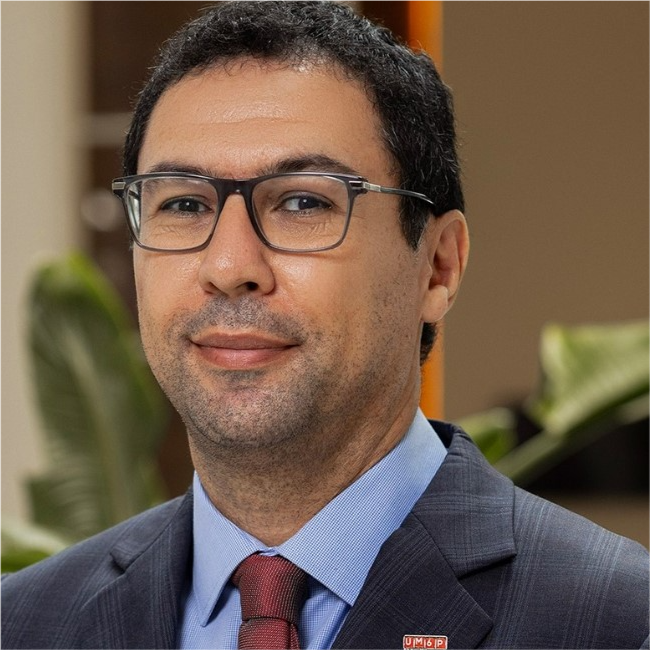
Khalid BADDOU
Chief Institutional Affairs Officer, University Mohammed VI Polytechnic (UM6P)


 Speaker
Sylvain EDDY
Managing Director Cote d'Ivoire & Business Head, Arise IIP & the Abidjan Industrial Economic Platform
 Speaker
H.E. Djibril OUATTARA
Minister of Digital Transition and Technological Innovation, Republic of Côte d'Ivoire -
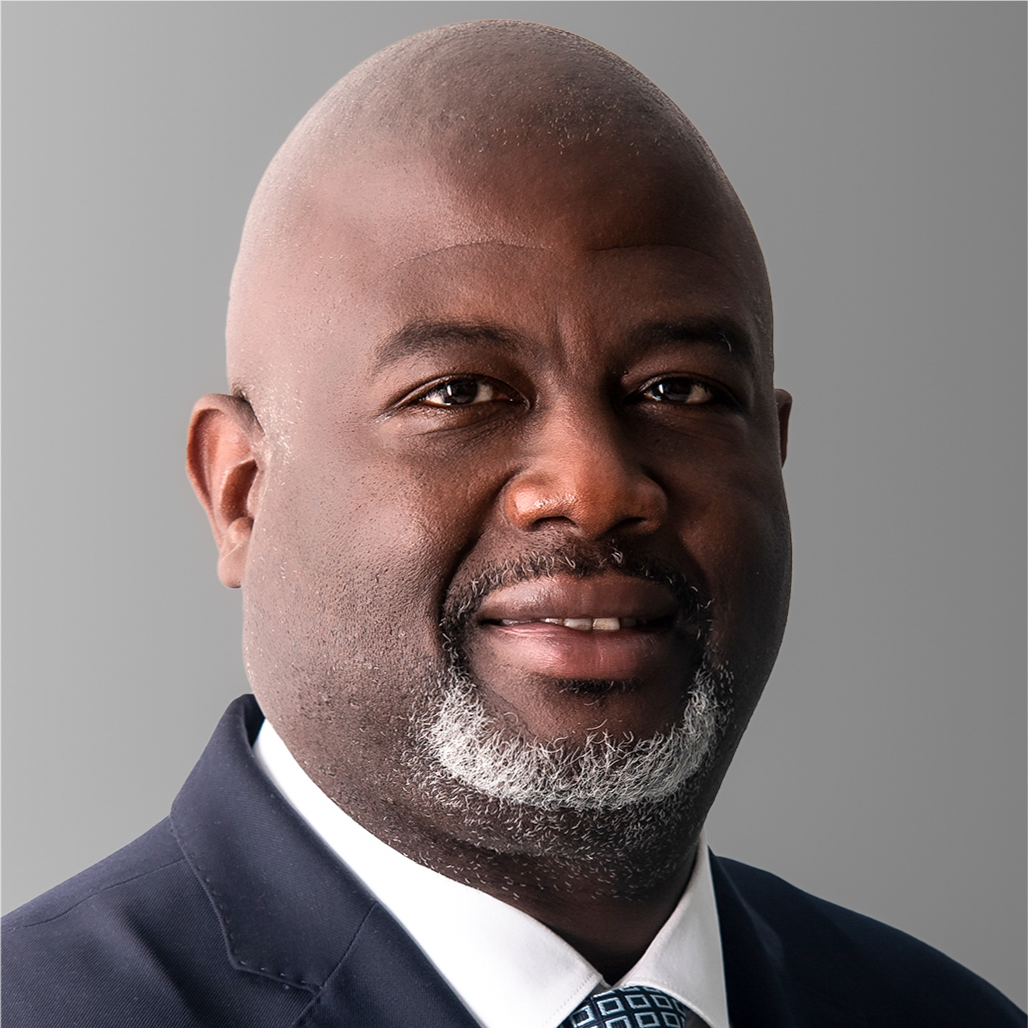
(GMT+2)Invest in Benin
As the foremost annual meeting of the private sector on the continent, the Africa CEO Forum is the leading platform for public-private dialogue. ‘Invest In’ sessions allow CEOs and investors to meet with high-level African government officials to gain deeper insight into their countries’ economic development strategies. These sessions provide exposure to a variety of key sectors, business environments, and public and private investment opportunities.
.jpeg.png)


-
(GMT+2)Conversation with
High Stakes: Resetting Gabon’s Industrial TrajectoryA ban on raw manganese exports from 2029, major energy investments, agricultural revival, openly asserted industrial policy… President Oligui Nguema intends to reposition the state as an active player in Gabon’s economic restructuring. The language of local transformation is not new in Central Africa. What may be changing is something more direct: a willingness to use state power to shift where value is captured and redefine the terms of engagement with long-established operators. The real question is the price of such a strategy – in capital, execution capacity, and tolerance for risk. This conversation explores what resetting Gabon’s industrial trajectory actually requires.

-
(GMT+2)Invest in Gabon
As the foremost annual meeting of the private sector on the continent, the Africa CEO Forum is the leading platform for public-private dialogue. ‘Invest In’ sessions allow CEOs and investors to meet with high-level African government officials to gain deeper insight into their countries’ economic development strategies. These sessions provide exposure to a variety of key sectors, business environments, and public and private investment opportunities.


 Speaker
H.E. Pacôme KOSSY
Minister of Agriculture, Livestock and Rural Development , Gabonese Republic
-
(GMT+2)Panel
Rise of the BOTs: Building Africa’s infrastructure in the age of tech sovereigntyBuild-(Own-)Operate-Transfer structures have long accounted for over 60% of new grid-connected power projects in Africa. With ports, terminals and logistics hubs benefiting from contracted revenues and trade-linked demand, transport BOTs are also back in fashion. So is BOT the right model for a continent that needs to quintuple its data-centre capacity just to meet medium-term demand? BOT is particularly well-suited to digital infrastructure where software is anchored in long-lived physical or institutional assets—from fibre networks to government clouds and national platforms—allowing states to internalise capability and sovereignty over time without delaying deployment. Where’s the catch?
Key points
- BOT/BOOT tenors in Africa are getting longer, averaging 25-30 years, signalling investor confidence. What are the risks to mitigate for private investors considering such PPPs?
- Capacity, Control, Credibility: Can BOTs genuinely address government concerns around privately operated digital infrastructure—or do they simply defer them?
- First Things First: From national ID systems to fibre-optic backbones, and from sovereign clouds to national payment switches, what should come first?



 Speaker
Linda MUNYENGETERWA
Global Director, WBG Infrastructure, Public Private Partnerships (PPP's) and Advisory, IFC - World Bank Group
-
(GMT+2)Panel
In the zone: How the logistics of port-industrial zones an make or break AfricaAfrica’s port-industrial complexes are becoming major economic engines – from Tanger Med’s 110,000-job platform to Durban’s automotive basin. Yet one often overlooked dimension is operational efficiency within these industrial sites that can span up to 20 km². Predictable, safe movement across these distances is no longer an operational detail but a strategic variable shaping productivity and competitiveness. Evidence from large-scale operational layout shows that optimising mobility flows can save thousands of miles and hundreds of labour hours annually per facility. Advanced hubs already act on this logic: France committed €222m to Le Havre’s Mobi Smart Port, while Amazon’s redesigned internal flows delivered double-digit throughput gains. As global manufacturers seek resilient supply chains beyond Asia, how African zones optimize internal logistics will determine their industrial competitiveness.
Key points
- What is the measurable ROI of internal mobility optimization — and who captures it: the zone operator, the tenant, or both?
- Should zone operators become mobility orchestrators, or is a new public-private model linking ports, tenants, transport operators and city authorities required?
- Can smart mobility systems – with their lower operating costs and reduced fuel dependency – become a decisive advantage in attracting global manufacturers?

 Speaker
Patrick LAWSON
Director Logistics Value Chains, ARISE Integrated Industrial Platforms (ARISE IIP)

-
(GMT+2)Strategic Roundtable
Trading up: how Africa's logistics boom can drive industrial deepeningAccess via sign-up on the event app or by invitation only.
Global trade through African ports is breaking records. But rising container volumes hide a critical divergence: the kind of goods being traded. Over the past decade, imports of machinery and industrial inputs have plummeted in some major economies like Nigeria (-9,4%), Kenya (-6,2%) and South Africa (-2,8%), while fuel and consumption goods dominate. In Nigeria, fuel alone recently reached 38% of all imports. This isn’t about access to trade routes – it’s about how trade is structured. Fiscal policies, port strategies, and special economic zones are actively shaping whether Africa uses global networks to build industrial capacity or to entrench dependency on foreign finished goods. This roundtable moves beyond logistics metrics to ask the strategic question: How do we ensure Africa’s integration into global trade drives industrial deepening, not just consumption?
Key points
- Policy or Plumbing? What explains why some economies exempt capital goods from duties while others stack levies to 30-40% effective rates? How have successful industrializers structured fiscal incentives?
- From Zones to Factories: What measurable shifts in import composition signal that SEZs and anchor investments are actually building industrial capacity rather than remaining empty real estate?
- The Logistics Lever: How can port authorities, trade corridors, and finance institutions actively reshape trade patterns toward production over consumption? What practical tools actually work?


 Speaker
H.E. Dr. Thani bin Ahmed AL ZEYOUDI
Minister of Foreign Trade, Ministry of Foreign Trade of the United Arab Emirates
-
(GMT+2)WFC Cocktail
Rising stars, reimagined systems: Strengthening the pathways to leadership for African womenAccess by invitation only.
Across Africa, women are advancing in business and public life, yet the pathways to top leadership remain structurally constrained. They represent just 6% of CEOs and 22% of executive committee members in Sub-Saharan Africa, and around 27% of parliamentary seats. The question is no longer whether the pipeline exists, but why it fails to translate into leadership at scale.
This closed-door cocktail moves beyond representation to interrogate the mechanisms that shape who rises. Drawing on real trajectories across sectors, the discussion will focus on how institutions allocate opportunity, from early promotions to revenue ownership, and how these decisions compound over time. With evidence showing that companies outperform more often when women hold line roles, the conversation shifts from access to power to control over value creation. In an informal, high-level setting, participants will exchange candid insights, challenge entrenched practices, and identify the structural levers that can accelerate women’s access to leadership at scale.
Key points
- What are the real gateway roles to top leadership in African institutions today? Who has access to them, and how can this access be widened?
- At what point do women’s leadership trajectories most often stall, and what within the institution causes that stall?
- What needs to change in promotion systems, sponsorship, and ownership of commercial or strategic portfolios to achieve materially different outcomes at the top?


 Speaker
Hon. Paula INGABIRE
Minister of Information Communication Technology and Innovation, Republic of Rwanda -
(GMT+2)Strategic Roundtable
From farm to shelf: Tackling the logistics of competitive African foodAccess via sign-up on the event app or by invitation only.
Modern African retail is expanding rapidly. In South Africa, food sales exceed $40 billion, and Côte d’Ivoire’s market grows nearly 10% annually. Retailers like Naivas, Auchan, and Shoprite are expanding shelf space for local products. However, reliance on imports continues to increase, with EU and Chinese food exports to Africa outpacing domestic food supply. Fragmented aggregation, weak cold chains, and inconsistent quality are major barriers preventing African producers from supplying formal retail and organised distribution at the necessary scale and consistency. This session will explore the specific sourcing, contracting, and logistics solutions required to transform retail growth into a platform for scalable African food champions.
Key points
- As retail and organised distribution expand, which sourcing and contracting arrangements can elevate African producers to reliable, national-scale supply?
- Which improvements in cold chains, processing, packaging, or certification offer the biggest competitiveness gains?
- What would it take for African producers to meet the quality standards that formal buyers require, from shelf-life to delivery timing?


.png)
-
(GMT+2)Invest in Tanzania
As the foremost annual meeting of the private sector on the continent, the Africa CEO Forum is the leading platform for public-private dialogue. ‘Invest In’ sessions allow CEOs and investors to meet with high-level African government officials to gain deeper insight into their countries’ economic development strategies. These sessions provide exposure to a variety of key sectors, business environments, and public and private investment opportunities.
 Chair
ChairHon. Ambassador Mahmoud KOMBO
Minister of Foreign Affairs and East African Cooperation, Ministry of Foreign Affairs - United Republic of Tanzania
 Speaker
Shahazad ATHAR
Director & Board Member, Tanzania East Africa Gateway Terminal Limited (TEAGTL) Speaker
Hon. Angellah Jasmine Angellah Jasmine Mbelwa KARIUKI
Minister of Communication and Information Technology, Republic of Tanzania -
(GMT+2)Panel
Building brands for billions: The execution playbook for Africa's mass marketsBy 2030, African consumer spending on food alone will near $1 trillion, with parallel growth across telecoms, housing, and mobility. Yet reaching these consumers means navigating markets that are informal, price-sensitive, mobile-first, and fragmented. Scale here depends on gritty execution: distribution reach, reliable quality, disciplined pricing, and earned trust. Building for Africa’s coming mass markets demands a different playbook. Groups like Flour Mills of Nigeria have moved beyond commodities to create branded products capable of competing with international household names. Local beverage producers win by tailoring to African tastes and price points. Affordable smartphones now function as core market infrastructure – enabling payments, data-driven distribution, and direct consumer engagement.
Key points
- Meeting the Real Market: How to design products and distribution for informal, price-sensitive markets, avoiding misplaced middle-class assumptions?
- Mass Reach: What does it take to get quality products to market in Africa — fast and at scale?
- Digital Edge: Which capabilities – mobile payments, data-driven distribution, or direct customer access – matter most, and how do African firms build them sustainably?
 Speaker
Charles VAN DER STEENE
Managing Director, Indian Subcontinent, Middle East & Africa (IMEA), MAERSK


-
(GMT+2)Panel
The road to market: Who pays for Africa’s missing connectivity?African businesses already pay for poor road infrastructure – through spoilage, transit delays, and logistics costs baked into every margin. The Abidjan-Lagos corridor moves over 50 million tonnes of freight annually, yet border crossings still average 24 to 48 hours of delay. Across Sub-Saharan Africa, roughly 80% of freight travels by road, yet the network remains critically underbuilt. Ambitious projects like the $15.6 billion Nigeria-Côte d’Ivoire highway are now set to begin – but construction is only half the story. Maintenance remains chronically underfunded, and the broader road financing gap exceeds $100 billion annually. If business is already absorbing the cost of missing connectivity, what would it take to turn that burden into a financing opportunity – and which models have already demonstrated returns at scale?
Key points
- The hidden tax: How much does inadequate road infrastructure cost African businesses in eroded margins and lost competitiveness – and who is actually bearing that cost?
- Paying to fixt it: What would it take to turn highway users – manufacturers, logistics operators, FMCG distributors – into co-financiers? Which structures have demonstrated returns, and what do governments need to provide?
- Compress the timeline: The Cape-to-Cairo highway took several decades to complete. What does it take to build the remaining Trans-African corridors in a generation – and who needs to be at the table?


 Speaker
Soumya BANERJEE
Acting Regional Industry Director for Infrastructure in Africa, International Finance Corporation (IFC)
-
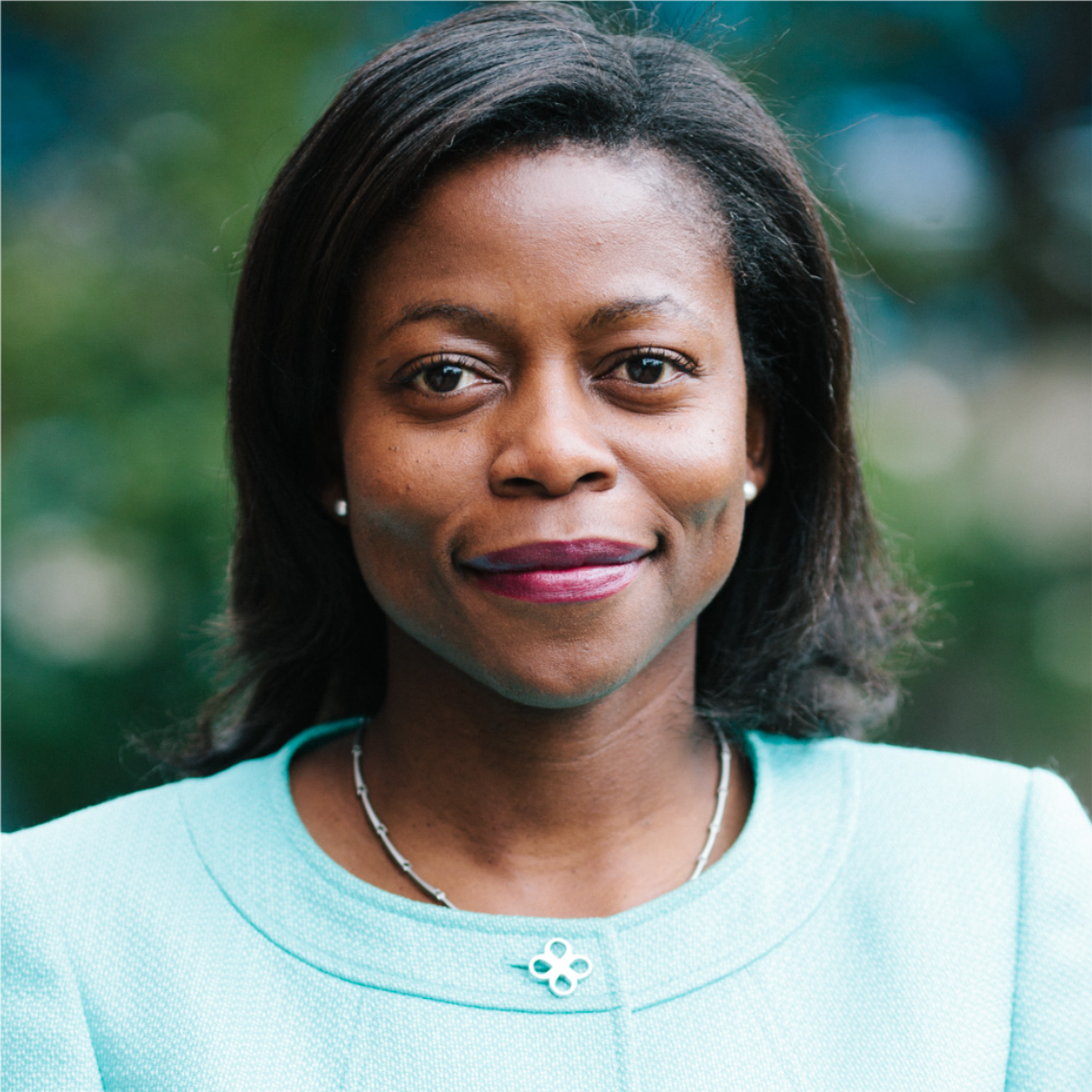
(GMT+2)Invest in South Africa
As the foremost annual meeting of the private sector on the continent, the Africa CEO Forum is the leading platform for public-private dialogue. ‘Invest In’ sessions allow CEOs and investors to meet with high-level African government officials to gain deeper insight into their countries’ economic development strategies. These sessions provide exposure to a variety of key sectors, business environments, and public and private investment opportunities.
.jpg)

 Speaker
Willem VAN DER SPUY
Acting Deputy Director-General of Exports, South African Department of Trade, Industry and Competition

-
(GMT+2)WFC Strategic Roundtable
Who owns the middle? Closing Africa’s 2X value gapAccess via sign-up on the event app or by invitation only.
In Ivorian cocoa, women provide 68% of labour but earn 21% of income. In Ethiopian coffee, women make up 75% of smallholder production workers, fall to 7% in trade, and own just 0.2% of the country’s 3,000-plus coffee trading companies. The pattern is consistent: women are structurally absent from the middle of the value chain – the aggregation, processing, wholesale and transport functions that determine who captures value and at what price. This goes beyond financing. It is an ownership and market structure problem. The 2X certification standard – backed by IFC and major DFIs – was designed to reshape incentives to close it. The question is no longer whether the gap exists. It is who owns the middle, and why businesswomen still don’t.
Key points
- The ownership problem: Between asset finance, cooperative reform, and contract rights – where is the critical leverage point?
- The profitability case: If integrating women into aggregation and trade improves chain efficiency, why hasn’t the private sector moved – and what does the business case require?
- The policy lever: Which shifts in procurement, governance, or finance would most rapidly change who captures value in the middle?


-
(GMT+2)Strategic Roundtable
Scaling acquisition finance to steady the M&A downturnAccess via sign-up on the event app or by invitation only.
Africa’s M&A activity fell 24% in value in early 2025, even as global dealmaking grew. A key structural bottleneck is the lack of acquisition finance: flexible, deal-linked lending repaid in line with a target’s future cash flows. Without it, firms must drain working capital or surrender equity, stalling consolidation and fragmenting value chains. While bespoke deals such as MCB’s facility backing Invictus Investment Company’s $200–300m acquisitions show the model can work, few African banks offer such financing, many firms are unsure how to qualify, and DFIs that could provide the long-tenure instruments view it as too close to investment banking. This roundtable focuses on how banks and can share risk to turn acquisition finance into a scalable pipeline for African mid-cap firms.
Key points- Which financing solutions are Africa’s corporate champions still not accessing to execute their expansion plans?
- Sharing the exposure with DFIs: Which extra partnerships are needed to expand the layered instruments within an acquisition finance facility?
- What must M&A-ready businesses demonstrate to qualify for flexible acquisition finance, and how should lenders codify those requirements?


-
(GMT+2)Panel
Nuts & Bolts – The silent bottleneck behind Africa’s urban expansionFor decades, Africa’s cities have expanded faster than their industrial foundations. As urban demand accelerates, local production of the materials needed to build its skyline – cement, steel, glass and clink – has not kept up. By 2050, Africa’s cities will be home to 800 million more people, yet in 2024, the continent produced only 22.3 million tons of crude steel – about a quarter of what is needed to house them. As demand continues to grow, industrial production capacity is constrained by power, logistics, financial and political challenges. How can Africa supply the ingredients needed to carve out its fair share of the demographic dividend?
Key points
- From Real Estate to Production Lines: Africa is adding millions of housing units yet barely adding to its manufacturing output. How can industries secure guaranteed offtake contracts, justifying new production facilities
- Baseload for Industrial Bases: Africa is not only short of megawatts; it is short of an industrial-grade baseload. How can grids, battery systems and industrial IPP models be integrated to deliver factory-ready electrons?
- Capex Without Patience – A cement kiln or steel furnace is a 30-year project. How can patient capital be deployed further up the value chain, into the overlooked inputs necessary for urban development?
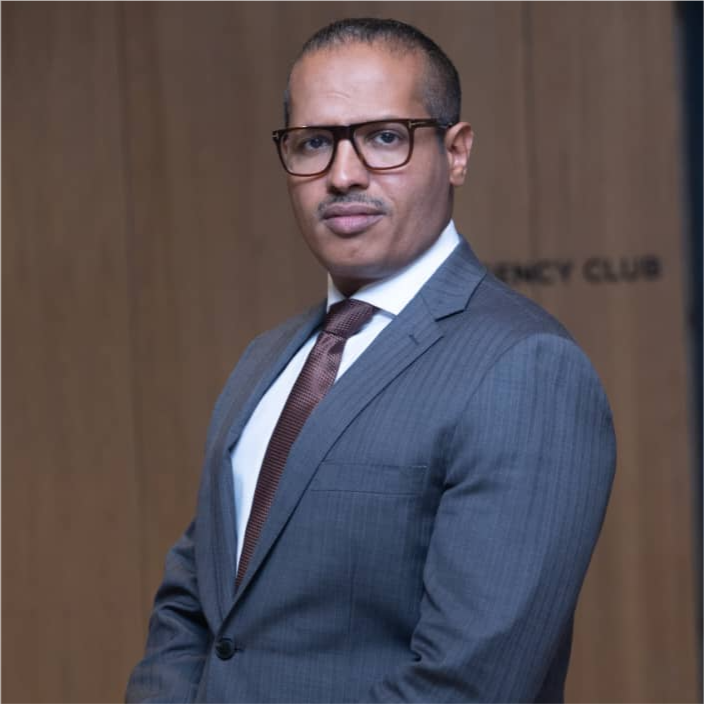
 Moderator
Julien WAGNER
Director of Special Content, Partnerships, and Media Diversification, Jeune Afrique Media Group



-
(GMT+2)Conversation with
The African Arena: Who will own Africa's sports boom?Africa’s sports economy is growing rapidly – nearly 2 billion viewers for AFCON 2023, rising sponsorship demand, governments increasingly deploying sport for tourism and nation branding. Yet much of the commercial upside remains outside the continent. The issue is not talent but ownership: of rights, data, sponsorship marketplaces, and modern arenas. During this conversation, Minister Mukazayire and Amadou Gallo Fall explore with Ethiopis Tafara what it will take to turn Africa’s sports boom into a genuine wealth-creation engine – one where African clubs, federations, athletes, brands, and investors own the assets, capture the returns, and set the terms.


-
(GMT+2)Panel
Africa's ceative century: Capital, ownership and the next frontierAfrica’s creative output commands global attention – Nollywood’s volume, Afrobeats’ reach, gaming talent emerging across the continent. Yet capital flows remain constrained, creators capture limited value from global distribution, and ecosystems struggle to scale beyond individual success stories. Canal+’s $2.4 billion MultiChoice acquisition signals where international investors see opportunity. The harder questions are about what comes after: financing models that outlast single deals, IP structures that keep value on the continent, and policy frameworks that build industries rather than back isolated productions. The focus: moving from celebrating potential to diagnosing what actually unlocks investment, builds local value chains, and positions African creators to capture the economic value their content generates globally.
Key points
- Capital questions: Where do investors see sustainable business models – and what structural barriers prevent capital deployment in creative industries?
- Terms of trade: When African music streams globally or films license to Netflix, how much value stays on the continent – and what would shift this equation?
- Going concern: Can film commissions and creative industry funds create sustainable ecosystems, or do they only back temporary activity that disappears when incentives end?


-
(GMT+2)Conversation with
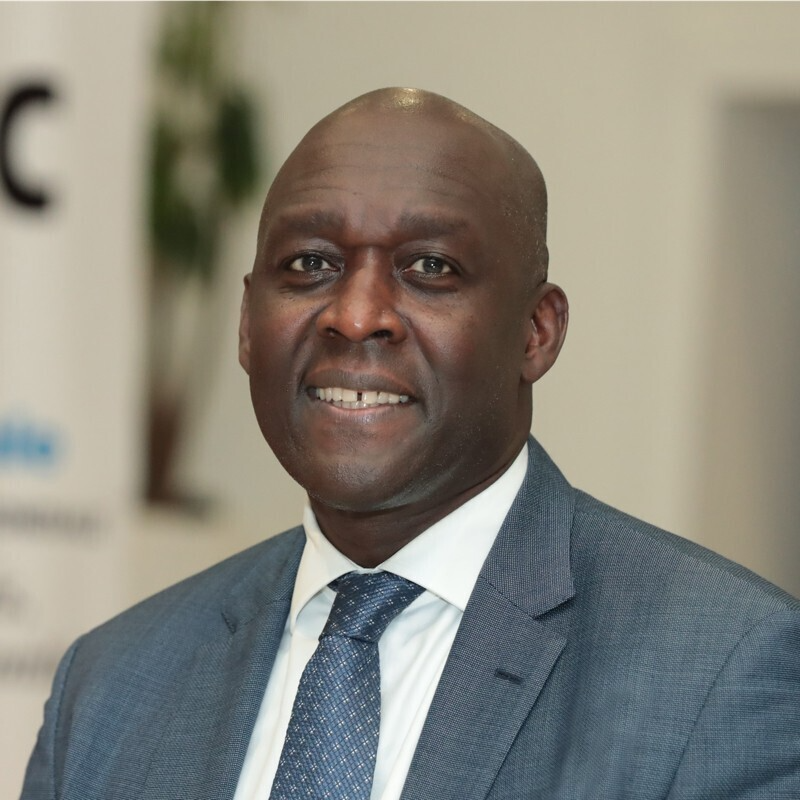
An African Capital FieldAfrican sport has never lacked talent, spectacle, or global reach. What it has lacked is the architecture to capture the value it generates – in media rights, data, infrastructure, merchandising, and the brand equity athletes carry far beyond the pitch. For decades, much of that commercial upside has flowed elsewhere. Changing that requires both the long-term perspective of development finance and the instincts of those who have built sports organisations from the inside out. Makhtar Diop, Managing Director of IFC, the world’s largest development finance institution, and Masai Ujiri, Team President of the Dallas Mavericks and Zaria Group Co-Founder, an executive who transformed an NBA championship into a broader continental ambition, bring different instruments to the same field – and the shared conviction that African sport is an asset class in its own right.

 Speaker
Masai UJIRI
Team President and Alternate Governor ; Co-Founder, Dallas Mavericks ; Zaria Group & Giants of Africa -
(GMT+2)The Scale Architects
The Long GameExecutives operating across industry, finance and logistics. One shared discipline: positioning ahead of the curve, often before the market consensus has fully formed. Across cycles, geographies and sectors, they have turned organisations into instruments of anticipation, not just growth. What does it take to read where an industry is going before others do? And how do you translate that foresight into institutions capable of acting at the right moment, and pulling ahead when it counts?




🎥 ACF TV